
"Ethiopian coffee varieties"
4000 article(s) found

Introduction of grinding degree production area of Ethiopian coffee varieties by taste and flavor description method
Ethiopian coffee beans are new coffee beans with high water content, so they need to be roasted a little deeper. They are roasted over low heat to the city to bake city, the surface is slightly oiled, and the beans are brown. After baking, Gemma feels crisp and loose after grinding, and it takes a long time to finish the last point of grinding. It may be that the beans are light and not easy to get down. The dry aroma of Gemma coffee powder:

Description of taste and flavor of Ethiopian coffee honey kiss introduction to manors in producing areas
Joseph Brodsky, founder of Ninety +, who describes the taste and flavor of Ethiopian coffee varieties, has long discovered that all the world's high-quality raw coffee beans originated in Ethiopia, and that the tastes of many different varieties are no less than 10, 000 grapes into 1 million different wines. Ninety percent of raw beans come from the original varieties of Ethiopia, including Pakistan.

Why are the coffee beans of Yega Xuefei and Sidamo uneven in size, which means that there are many defective beans?
[preface] some time ago, some fans told us that Ethiopian beans are large and small, very uneven, and the defect rate is high. I think maybe we should figure out why the shape of Ethiopian beans is uneven and what is called defective beans. Why are Ethiopian coffee beans always big and small? The coffee beans in Ethiopia seem to be of different sizes
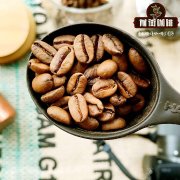
Ethiopian Coffee beans | Ethiopian Coffee producing areas | Yilu Babo, Rosa Village
Professional coffee knowledge exchange more coffee bean information please follow the coffee workshop (Wechat official account cafe_style) Ethiopian coffee beans rose summer village garden No. 13 Iru Babo washing Ethiopia Gesha Village Coffee Estate Illubabor Wash production area SNNPR Region Banchmaji (Bench Maji Zone) Gori Gesha Fores

Why do 90 + candlelight Ethiopian boutique beans take a completely different approach in naming?
Question1: why are Ethiopian coffee beans always big and small? If you are very fond of African beans, it should be easy to find that Ethiopian beans are generally of different sizes and have significantly lower evenness than those in Kenya. Sometimes roasting appearance can be found in the observation of the same batch of coffee beans, no matter whether it is Yega Xuefei or Sidamo, whether it is washed or insolated.

Ethiopian Sidama G1 Coffee Bean Grades
Ethiopian sidamo G1 grade of coffee beans washed sidamo green beans are pale green, citrus notes are evident on the palate with a hint of berry fruit, and pleasant elegant sour, grape sweet and chocolate aftertaste washed coffee flavor less wild flavor, with a clean, refreshing character, suitable for City to Full City roasting degree; some excellent in nature

Ethiopian Coffee Manor Flavor description Grinding characteristics introduction to the taste price of varieties in producing areas
Ethiopian coffee beans grow in close to the natural environment, after years of planting under the same growth conditions, Ethiopian coffee beans have gradually adapted to the environment here. More than 60% of coffee beans are grown in forests or semi-forests. Large-scale coffee-growing villages account for about 35% of the country's total coffee production. Many of these are used.
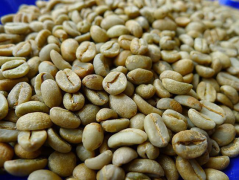
Grade analysis of Ethiopian coffee beans Ethiopian coffee beans are divided into five levels
Ethiopian coffee beans are divided into five levels. The first and second stages are washed beans. Washed beans Grade1 represents 3 defective beans per 300g raw beans, and Grade2 represents 4 defective beans per 300g. Gradc1 grade water washed beans are very rare and are generally difficult to buy. At present, all the washed beans exported from Ethiopia are Grade2 grade. The quality of sun-dried beans is Grade3 and Grade4 in order.

Flavor description of Ethiopian Sidamo Coffee Variety introduction to Regional treatment of Manor production
Ethiopian Sidamo Coffee Flavor describes the taste of Ethiopian coffee grown in close to the natural environment, after years of planting under the same growth conditions, Ethiopian coffee beans have gradually adapted to the environment here. More than 60% of coffee beans are grown in forests or semi-forests. Coffee growers on a large scale

Ethiopian Coffee Story which brand of Ethiopian coffee beans is good
Professional coffee knowledge exchange more coffee bean information please follow the coffee workshop (Wechat official account cafe_style) Starbucks, which has been the king of the world in recent years. To become a well-known fashion brand, in order to arouse the recognition of more consumers with the power of consumption, Starbucks proposed a commitment to the producing area of caffeine (Commitment to Origins; referred to as CTO) in 2003, and promoted

How is the planting of single bean in Ethiopian coffee farm? Ethiopian single bean won the prize.
For the exchange of professional baristas, please follow the coffee workshop (Wechat official account cafe_style) SIDAMO Hidamo and the other two regions, ─ Hara and Yegashev, were approved and registered trademarks by the Ethiopian government in 2004, making the region's reputation and local coffee beans, together to improve the recognition. Hidamo mixed use of water washing and sun treatment, in favor of fruit, strong

What do you have in Ethiopian coffee beans? What are the varieties of coffee beans in Ethiopia?
Professional coffee knowledge exchange more coffee bean information please follow the coffee workshop (Wechat official account cafe_style) Ethiopia: the birthplace of coffee Ethiopia (formerly known as Abyssinia) is the birthplace of coffee. In the history of ancient Ethiopia, it is claimed that the Ethiopian goat herdsman Kardi first discovered coffee, and it had it around 850 AD.

Honey kiss ruby dark chocolate flavor 90 + Ethiopian Wellega (Waliga)
Ninety percent of the raw beans come from the original varieties of Ethiopia, including Gesha of Panama Manor, which is also the original variety of Ethiopian heirloom (Heirloom). The processing process is the specialty of 90 +. These coffees will be separated and tasted one by one according to the variety, microclimate and fresh time, and the processing methods will be specially designed for each taste to achieve a taste characteristic.

The Origin of World Coffee Ethiopian Coffee Kafa Forest introduces the characteristics of Ethiopian Coffee
Kaffa is the cradle of Arabica coffee. Adding up to only a few hundred varieties (congenital or derived) from countries around the world, there are tens of thousands of species in this treasure house, most of which are still unclassified. Heirlooms (original species) is the unique name of Ethiopia, as if to tell the world that its varieties are all-inclusive, with only one word. Except for the ancient species Typ
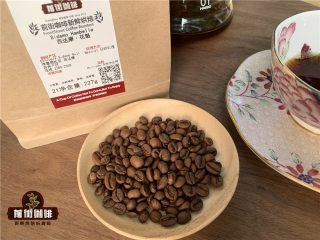
Introduction of Ethiopian coffee, flavor characteristics of Ethiopian Sidamo Sakui coffee
Follow the caf é (official Wechat account vdailycom) and find that Fairview Cafe has opened a small shop of its own with an annual output of 396000 tons per cup of water to wash the delicate floral and sweet fruit aromas of Yirgacheffe; or sun-treated Hildamo (

Introduction to the flavor description and grinding characteristics of Ethiopian coffee varieties in producing areas
Grade of Ethiopian coffee: Ethiopian washed coffee Yega Chuefei G1 G2 Sidamo (Yirgacheffe, Sidamo) has the highest grades 2 and 3 (G2, G3), while sun-processed coffee in eastern Ethiopia is mostly grade 4 or 5 (G4, G5). In many cases, level 4 coffee is marked as level 5 in order to reduce taxes. At present, the classification is not uniform and there are

The Origin of Ethiopian Coffee Variety
Various forms of coffee cultivation can be found in Ethiopia: everything from wild coffee forests and semi-developed land to traditionally operated plots to modern plantations. About 50% of the coffee is grown more than 1500 meters above sea level. Harrar coffee is the highest growing area of all coffee in Ethiopia. Hara coffee can be divided into long coffee.

Flavor description method of Ethiopian Coffee Manor introduction to the taste of varieties in producing areas
Ethiopia's geographical environment is very suitable for coffee growth. Coffee is mainly grown in the southern highlands between 1100 and 2300 meters above sea level. The main coffee producing areas are Harar, Limu, Djimma, Sidamo, Kaffa, Yergacheffe and Wellega. The soil drainage in these areas is good.

Characteristics of Ethiopian coffee beans how Ethiopian coffee beans affect roasting
Ethiopian super coffee beans may be one of the best coffee beans you can roast, but they are also one of the most wayward. First, there are estimated to be more than 10, 000 Ethiopian grains, including Sidamo fresh and citrus; Yirgacheffe is bright and floral; Harrar is strong and large; lemon, sweet and spicy; and Jimma is tropical flavor and silky taste

Grinding scale of Ethiopian Sidamo Coffee Bean by Variety and Flavor description
Variety and flavor description of Ethiopian Ethiopia Sidamo coffee beans Grinding scale Ethiopia Sidamo G2 (Sidamo G2): the Sidamo producing area is located in the south of Ethiopia, extending to the administrative regions of Arsi and Bale in the east and Gamogofa in the west. Sidamo coffee is cultivated at altitude 1400m-2000m. Agriculture is the main industry here.